
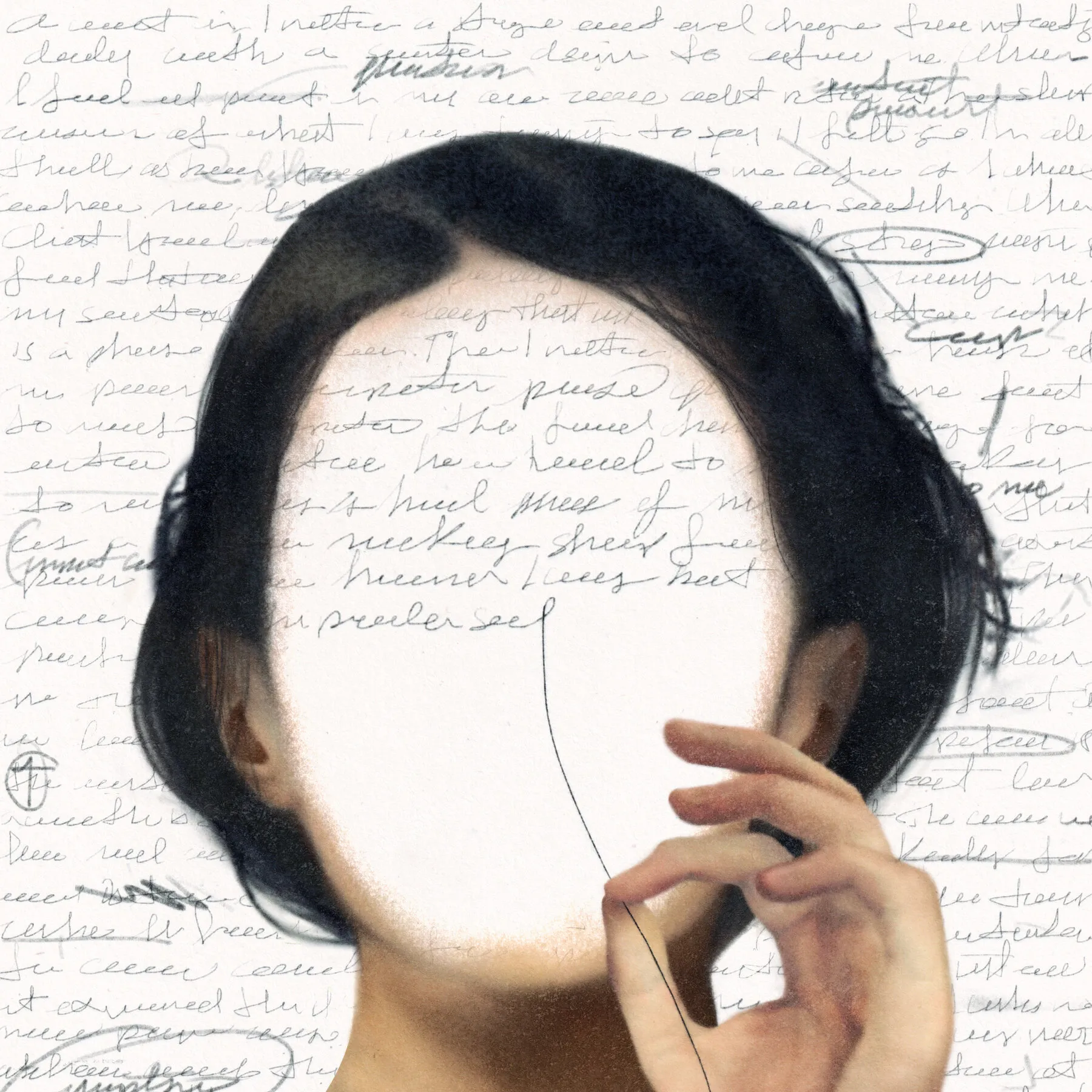
Artificial Intelligence (AI) is transforming the way businesses innovate, design products, and develop creative ideas. Through advances in generative AI, machines can now assist with creating visual concepts, exploring new possibilities, and supporting the creative process in ways that were once difficult to imagine.
Known as Creative AI, this emerging field combines artificial intelligence with human imagination to help individuals and organisations turn ideas into tangible concepts. From generating product designs to overcoming creative challenges, AI is opening new opportunities across industries.
In this article, we explore how Creative AI works, its applications in product design, and the opportunities and challenges it brings to the future of innovation.
Understanding Creative AI
Creative AI refers to the use of artificial intelligence to support or generate creative outputs, including images, designs, concepts, and other forms of digital content.
Powered by machine learning, deep learning, and generative models, these systems can identify patterns in data and produce new outputs based on user instructions. Rather than relying entirely on traditional manual processes, designers and innovators can use AI tools to explore multiple ideas in less time.
Although AI can generate creative concepts, human direction remains essential for evaluating their relevance, originality, practicality, and value.
How Creative AI Expands the Possibilities of Innovation
1. Exploring New Creative Possibilities
Creative AI enables businesses to explore ideas beyond conventional thinking. By generating multiple variations of a concept, AI tools can introduce alternative perspectives that designers might not have considered.
This approach allows innovation teams to experiment with different directions, compare possibilities, and identify promising ideas before committing significant resources to development.
2. Enhancing Human–AI Collaboration
Creative AI is most effective when used as a collaborative tool rather than a replacement for human creativity.
AI can assist with research, generate initial concepts, analyse design patterns, and suggest alternatives. Human designers can then refine these outputs using their experience, intuition, and understanding of customer needs.
Combining human judgement with AI capabilities can help teams improve their creative workflows and explore more ideas during the innovation process.
3. Overcoming Creative Blocks
Creative blocks can slow down product development and innovation projects. When teams struggle to find new directions, AI-generated suggestions can provide a useful starting point.
By producing alternative concepts, visual references, or different interpretations of a brief, AI tools can help teams move beyond initial assumptions and discover new opportunities.
The resulting ideas still require careful evaluation, but AI can make the brainstorming process more dynamic and productive.
Creative AI in Product Design
Product design involves transforming ideas into concepts that meet customer needs while balancing functionality, aesthetics, cost, and technical feasibility.
Traditionally, developing and visualising new product concepts can require considerable time and resources. Creative AI offers an alternative by helping designers generate visual concepts and explore different design directions early in the development process.
What Is AI-Generated Product Design?
AI-generated product design uses artificial intelligence to create or refine product concepts based on written prompts, reference images, sketches, and other inputs.
Designers can use these tools to explore materials, colours, shapes, packaging styles, and product variations without having to develop every concept manually.
This is particularly useful during the early stages of innovation, when teams need to visualise ideas, compare alternatives, and gather initial feedback.
However, AI-generated visuals should not automatically be treated as production-ready designs. Technical specifications, manufacturing requirements, safety standards, and usability still need to be validated.
Popular Creative AI Tools for Product Design
Several AI-powered platforms can help designers accelerate concept development and visual experimentation.
1. DALL·E: Generating Images from Text
Developed by OpenAI, DALL·E is an AI image-generation technology that creates images based on natural-language descriptions.
Designers can describe a product's appearance, materials, environment, or visual style and use the generated images to explore potential concepts.
Best suited for: Early-stage visualisation, creative exploration, product inspiration, and generating images from detailed text prompts.
As with other image-generation systems, results may require refinement, particularly when precise geometry, complex structures, or technically accurate product details are essential.
2. Midjourney: Exploring Creative Product Concepts
Midjourney is an AI image-generation platform known for producing visually distinctive and stylised imagery.
It can help designers experiment with aesthetics, visual themes, materials, and alternative product appearances. This makes it useful when exploring a wide range of creative directions before selecting a concept for further development.
Best suited for: Visual inspiration, concept exploration, aesthetic experimentation, and creating compelling design references.
Generated images may need additional work to meet exact engineering or manufacturing requirements.
3. Vizcom: Turning Sketches into Realistic Visuals
Vizcom is an AI-powered design tool that helps transform sketches into more detailed visual renderings.
Designers can begin with a rough drawing and use AI to explore how the concept might look with different materials, colours, lighting, and finishes.
Best suited for: Industrial design, sketch visualisation, rapid concept development, and communicating early-stage product ideas.
This approach can help teams present concepts more clearly and gather feedback before investing in detailed prototyping.
Ethical Considerations and Challenges of Creative AI
While Creative AI offers significant opportunities, its adoption also raises important questions that businesses and designers should consider.
Copyright and Intellectual Property
AI-generated content raises questions about ownership, copyright protection, and the use of existing creative works in AI development.
Businesses should understand the licensing terms of the tools they use and assess whether generated content can be used for their intended commercial purposes. They should also consider how to protect their own intellectual property when sharing confidential designs or business information with third-party AI platforms.
Because laws and regulations vary by jurisdiction and continue to evolve, organisations should seek appropriate legal guidance when intellectual property rights are important to a project.
Human Creativity and AI Capabilities
Although AI can produce impressive images and concepts, generating an output is not the same as understanding its real-world purpose.
Human creativity draws on personal experiences, cultural knowledge, emotions, contextual understanding, and the ability to make informed decisions. These qualities remain important when evaluating whether an idea is meaningful, practical, and relevant to its intended audience.
The most effective approach is to combine AI-generated possibilities with human insight, critical thinking, and design expertise.
Accuracy, Bias, and Responsible Use
AI-generated outputs may contain inaccuracies, reflect biases in training data, or produce concepts that are visually appealing but impractical.
Businesses should review AI outputs carefully, verify important information, and ensure that designs meet applicable quality, safety, accessibility, and ethical standards.
Responsible use also involves protecting sensitive information and being transparent about AI involvement where appropriate.
The Future of Creative AI in Innovation
Creative AI is creating new opportunities for businesses to rethink how they approach ideation, design, and product development.
By reducing the effort required to generate initial concepts, AI can help teams explore more possibilities, communicate ideas more effectively, and make informed decisions earlier in the innovation process.
However, the greatest value does not come from automation alone. It comes from using AI strategically alongside human creativity, domain expertise, and a clear understanding of customer needs.
As these technologies continue to develop, organisations that learn to integrate Creative AI responsibly into their workflows will be better positioned to experiment, adapt, and develop innovative solutions.
Conclusion
Creative AI is changing how ideas are imagined, visualised, and developed. From generating product concepts to transforming sketches into realistic renderings, AI-powered tools offer new ways to support creative work and accelerate early-stage innovation.
Nevertheless, human judgement remains essential for ensuring that generated concepts are original, useful, technically feasible, and aligned with business objectives.
By combining the strengths of artificial intelligence with human imagination, businesses can expand their creative capabilities and explore new possibilities for the future of innovation.